

Unlock the Secrets to Successful Organic Gardening Techniques
- Dec 8, 2025
- 4 min read
Gardening is a rewarding hobby that connects us with nature and provides fresh, healthy produce. However, not all gardening methods are created equal. Many gardeners are turning to sustainable practices that nurture the soil and protect the environment. If you want to grow a thriving garden without harmful chemicals, mastering effective organic gardening techniques is essential. This guide will walk you through practical steps and expert tips to help you cultivate a flourishing garden naturally.
Essential Organic Gardening Techniques for Beginners
Starting an organic garden requires understanding the basics of soil health, plant selection, and pest management. Here are some foundational techniques to get you started:
Soil Preparation: Healthy soil is the cornerstone of any successful garden. Begin by testing your soil’s pH and nutrient levels. Amend it with organic matter such as compost, aged manure, or leaf mold to improve texture and fertility.
Crop Rotation: Avoid planting the same crops in the same spot year after year. Rotate crops to prevent soil depletion and reduce pest buildup.
Companion Planting: Some plants grow better together. For example, planting basil near tomatoes can improve flavor and deter pests.
Mulching: Apply a layer of organic mulch like straw, wood chips, or shredded leaves around plants. Mulch conserves moisture, suppresses weeds, and adds nutrients as it decomposes.
Watering Wisely: Water deeply but infrequently to encourage strong root growth. Use drip irrigation or soaker hoses to minimize water waste.
By incorporating these techniques, you create a balanced ecosystem that supports plant health and productivity.
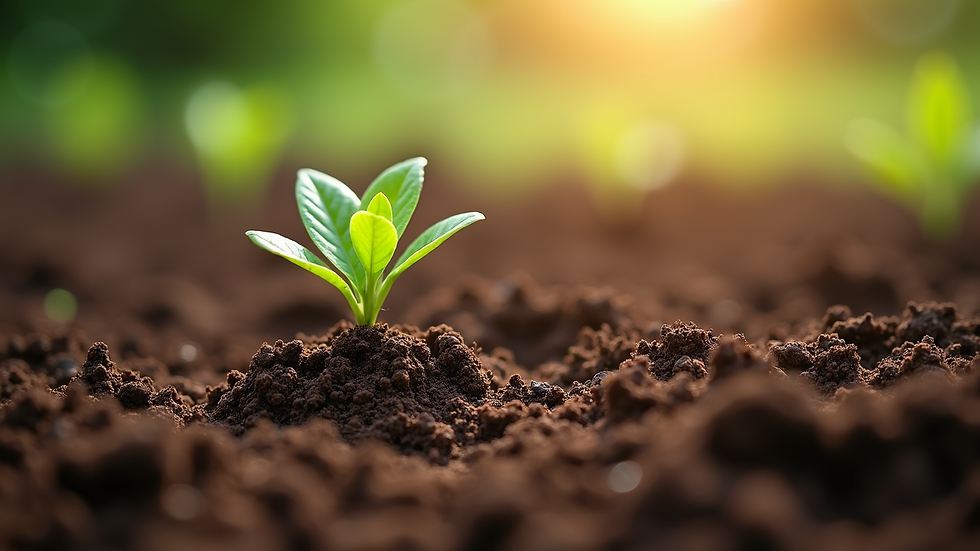
How to Choose the Right Plants for Your Garden
Selecting the right plants is crucial for a successful garden. Consider the following factors:
Climate and Zone: Choose plants suited to your local climate and USDA hardiness zone. Native plants often require less care and are more resistant to local pests.
Sunlight Requirements: Assess how much sunlight your garden receives daily. Some plants thrive in full sun, while others prefer partial shade.
Soil Type: Match plants to your soil’s texture and drainage. For example, succulents prefer sandy, well-drained soil, while ferns like moist, rich soil.
Purpose: Decide if you want vegetables, herbs, flowers, or a mix. Some plants, like marigolds, can serve dual purposes by beautifying your garden and repelling pests.
By carefully selecting plants, you reduce the need for chemical interventions and increase your garden’s resilience.
What is a disadvantage of organic gardening?
While organic gardening offers many benefits, it also comes with some challenges:
Pest and Disease Control: Without synthetic pesticides, managing pests and diseases can be more labor-intensive. Organic methods like introducing beneficial insects, using neem oil, or hand-picking pests require time and vigilance.
Slower Growth: Organic fertilizers release nutrients more slowly than synthetic ones, which can mean slower plant growth initially.
Weed Management: Organic mulches and manual weeding are effective but can be more time-consuming than chemical herbicides.
Yield Variability: Organic gardens may produce lower yields compared to conventional methods, especially in the first few years as soil health improves.
Despite these drawbacks, many gardeners find the environmental and health benefits outweigh the extra effort.
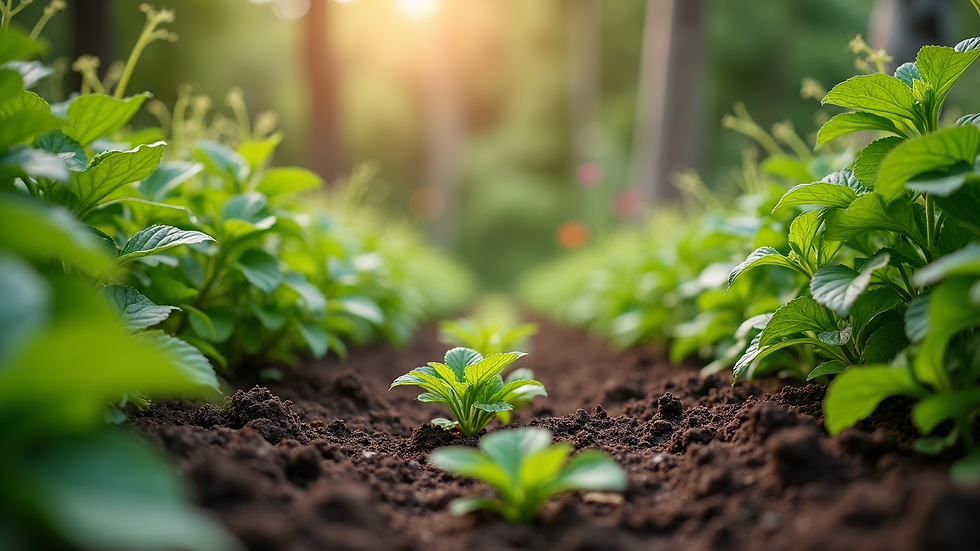
Practical Tips for Pest and Disease Management
Keeping your garden healthy without chemicals requires a proactive approach:
Encourage Beneficial Insects: Ladybugs, lacewings, and predatory wasps feed on harmful pests. Plant flowers like dill, fennel, and yarrow to attract them.
Use Natural Sprays: Homemade sprays made from garlic, chili, or soap can deter pests without harming plants.
Practice Good Hygiene: Remove diseased leaves and debris promptly to prevent the spread of pathogens.
Crop Diversity: Plant a variety of species to reduce the risk of widespread pest infestations.
Physical Barriers: Use row covers, netting, or collars to protect vulnerable plants.
These strategies help maintain a balanced garden ecosystem and reduce reliance on chemical controls.
Enhancing Soil Fertility Naturally
Soil fertility is vital for plant growth and can be improved through organic methods:
Composting: Create your own compost from kitchen scraps, garden waste, and leaves. Compost adds essential nutrients and beneficial microbes to the soil.
Green Manures and Cover Crops: Plant legumes like clover or vetch during off-seasons. These crops fix nitrogen in the soil and prevent erosion.
Crop Residue Management: Leave plant residues on the soil surface to decompose and return nutrients.
Organic Fertilizers: Use bone meal, blood meal, fish emulsion, or seaweed extracts to provide targeted nutrients.
Regularly enriching your soil ensures your plants have the nourishment they need to thrive.
Bringing It All Together for a Thriving Garden
Mastering these organic gardening techniques will transform your outdoor space into a vibrant, sustainable oasis. Remember to:
Plan your garden layout thoughtfully.
Invest time in soil health.
Choose plants wisely.
Manage pests naturally.
Enrich your soil regularly.
By embracing these practices, you not only grow healthier plants but also contribute to a healthier planet. For more detailed guidance and expert services, explore organic gardening resources and support.
Happy gardening!


Comments